Take charge of
your bone health.
A bone-density result can bring a lot of questions. Start with a clear next step: guided strength and balance exercise, simple daily habits, and records to discuss with your care team. Informed by Bone Fit guidance and supervised LIFTMOR research.
Strength · balance · everyday care
Exercise demonstration. Choose your starting load and precautions with your clinician.
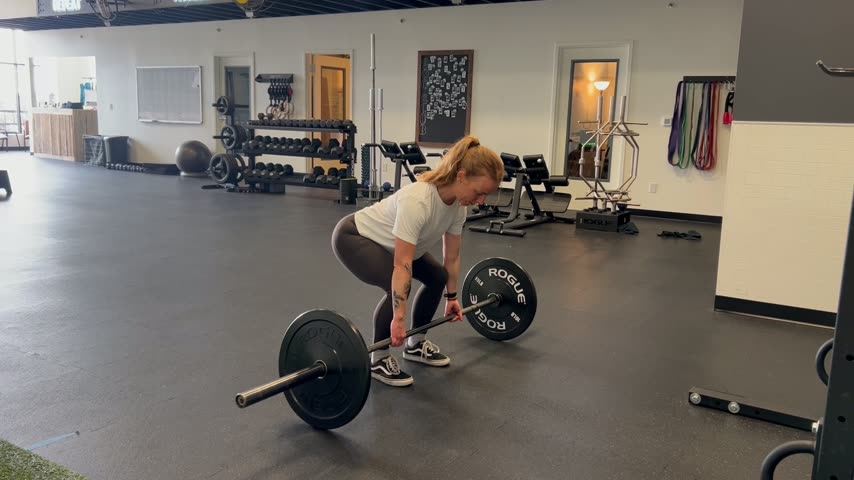
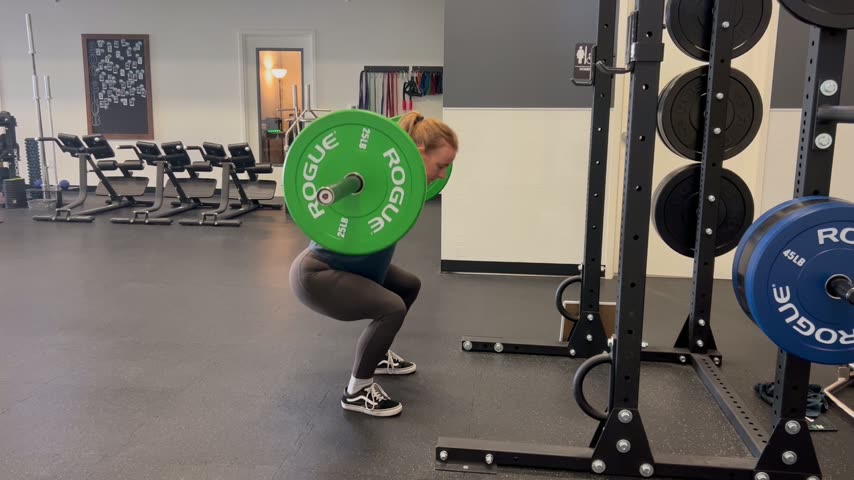
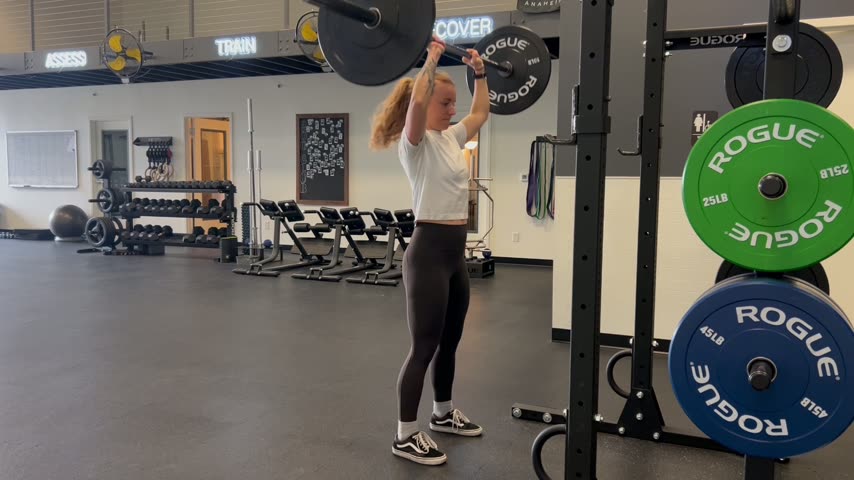
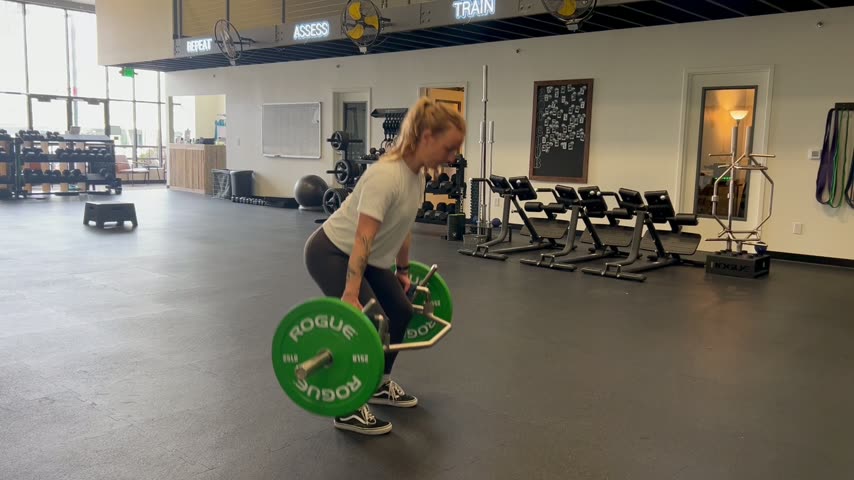
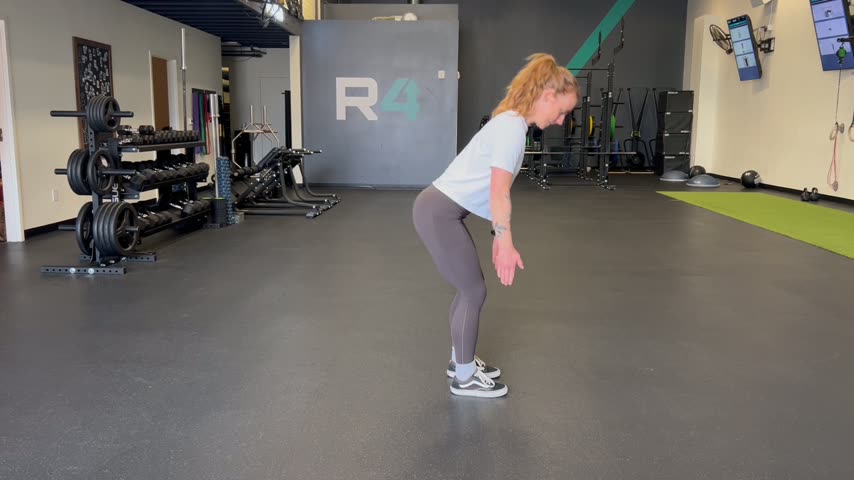
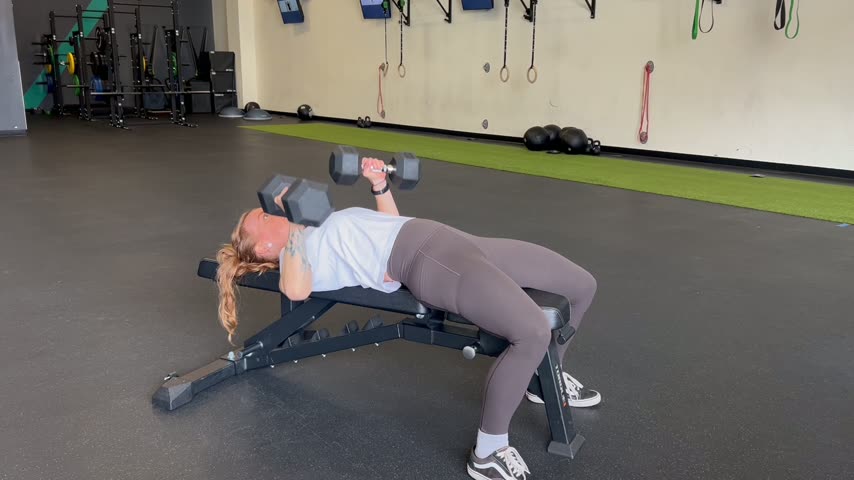
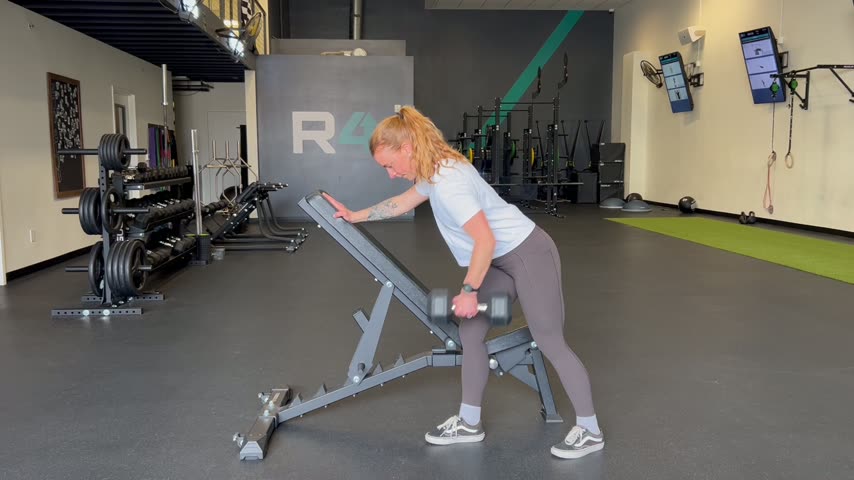
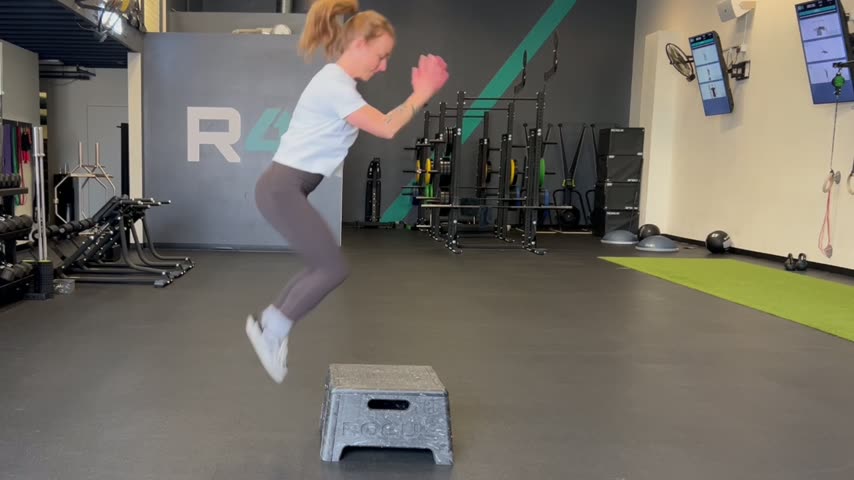
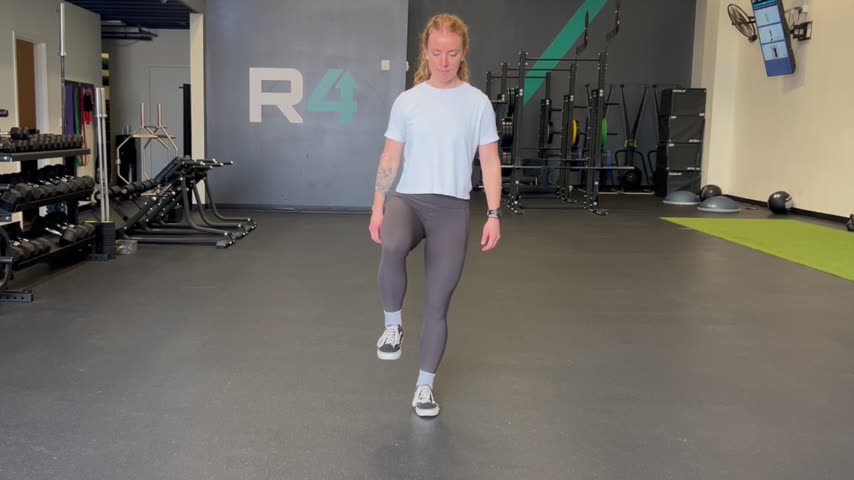
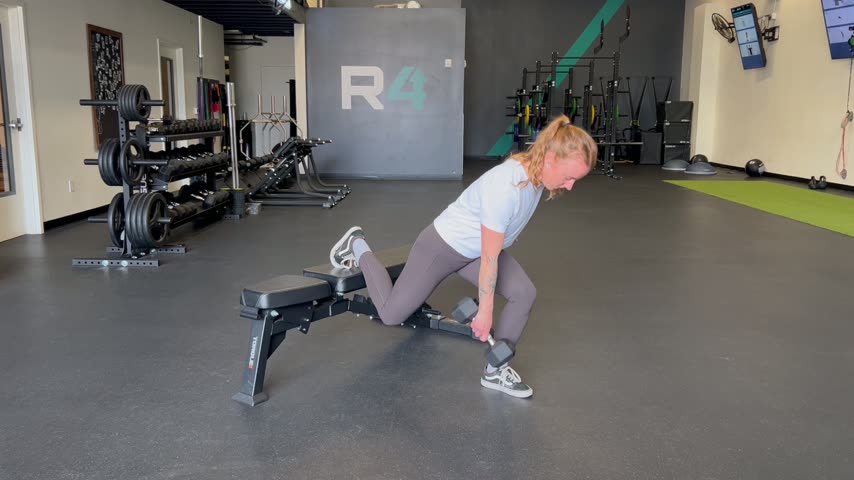
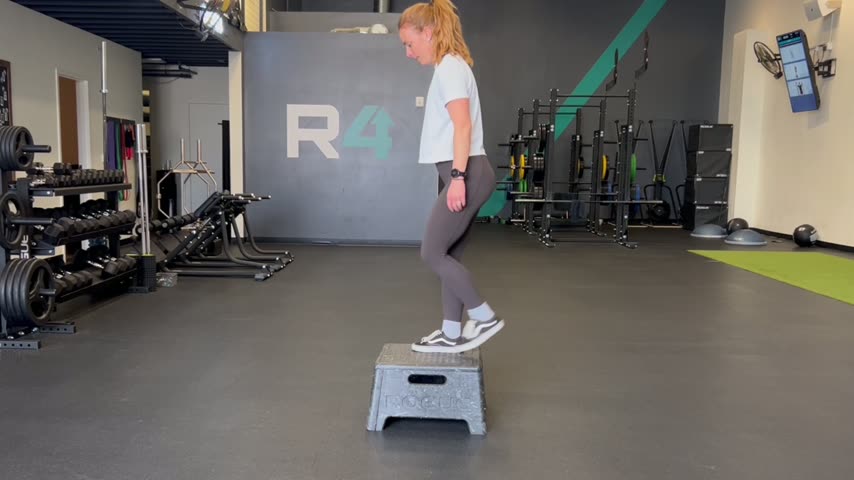
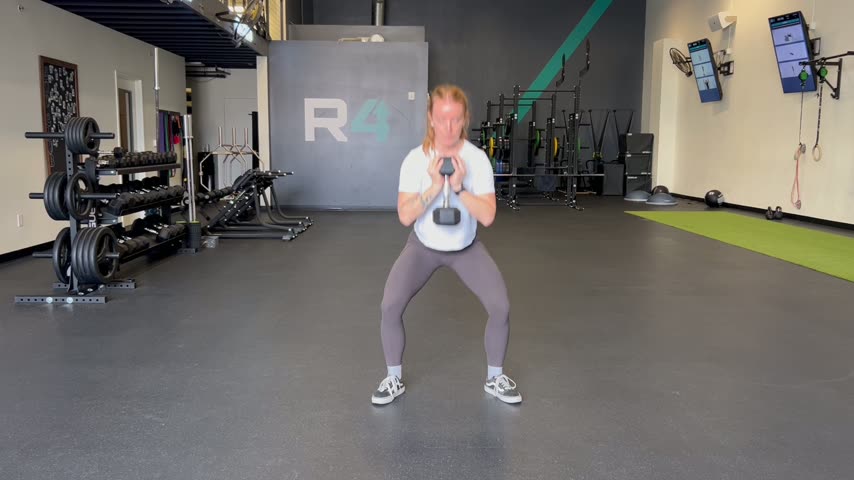
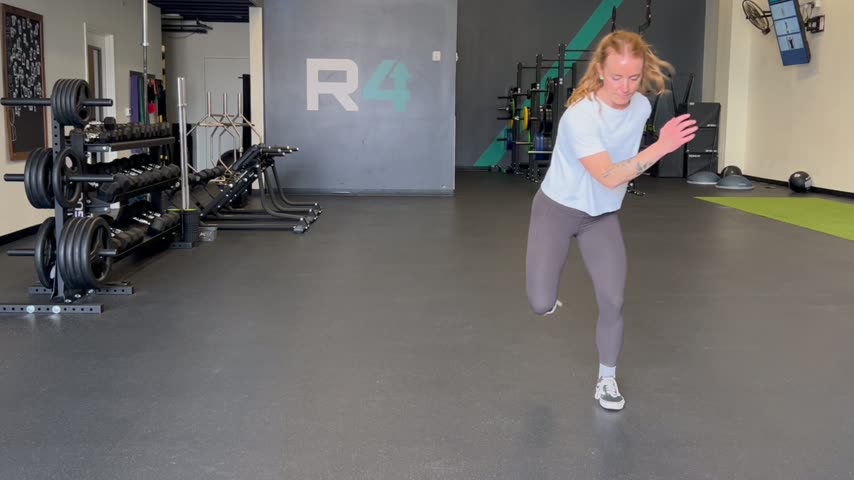
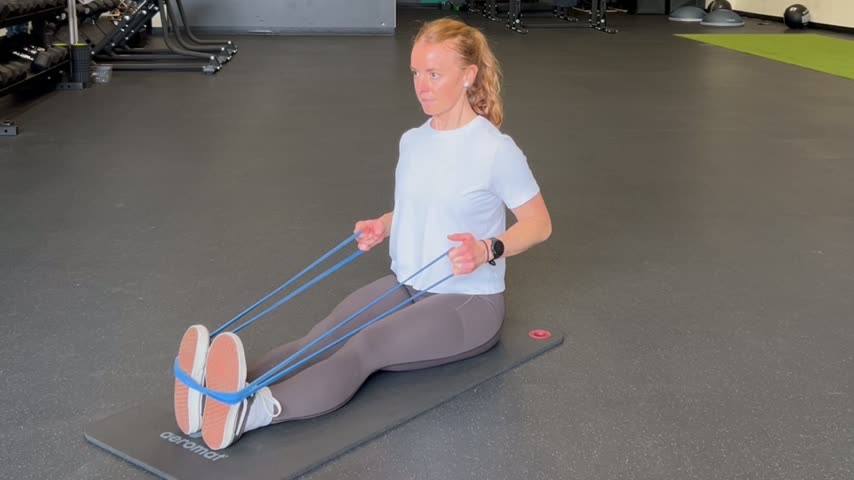
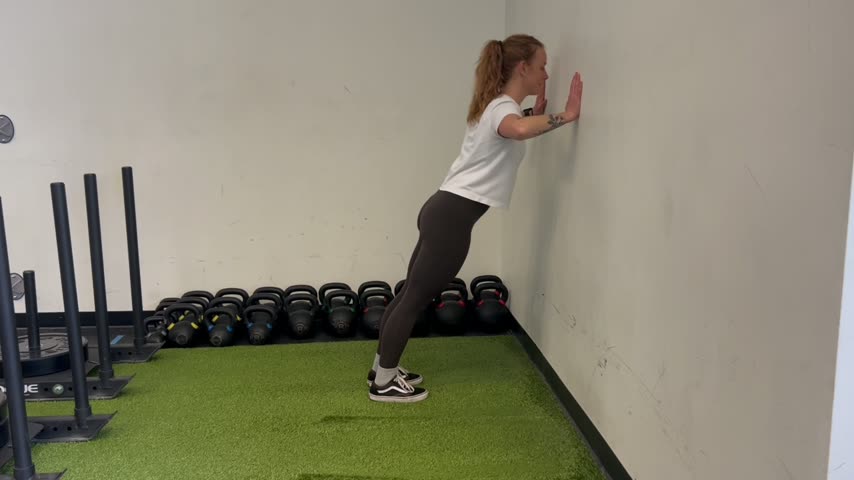
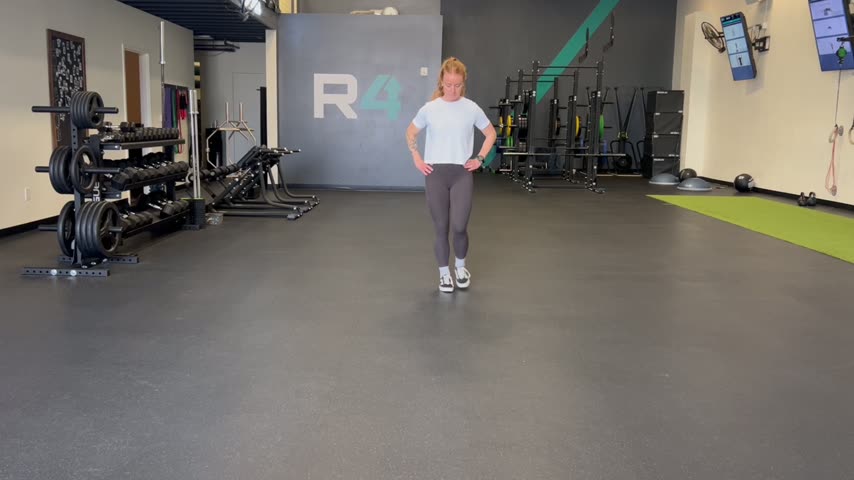
Filmed by physical therapists, not stock photos.
Every one of the 86 movements is demonstrated by real people, with coaching cues you can actually follow.
You don’t have to figure it all out today.
Your scan is one part of your health story. Bone Builder helps you turn questions into a conversation with your clinician and make room for movement in everyday life. Learn the techniques, record what you do, and build a routine around your care plan. You can start small; rest days and asking for help belong in the plan, too.
A starting point that fits
Start with your experience, equipment, and comfort. Use your records to discuss appropriate progression with your clinician.
Individual precautions matter
Fracture history and symptoms can change which movements suit you. Read the exercise precautions and get individual guidance when needed.
Form is everything
Exercise selection, loading, and technique need to fit the individual. On-device form review offers movement cues; it cannot verify spinal loading or replace a clinician’s assessment.
What supervised research tells us.
For decades, women with osteoporosis were told to avoid lifting anything heavy. The LIFTMOR trial (Watson et al., 2018) tested the opposite: supervised high-intensity deadlifts, squats and overhead presses above 85% of one-repetition maximum, plus jumping chin-ups with drop landings — just 30 minutes, twice a week.
After eight months, the training group improved spine bone density and had better femoral-neck outcomes than the comparison group. These findings apply to the selected, supervised participants studied. Bone Builder is a separate exercise and education app; its 12-week plans have not been shown to reproduce these trial results. Higher-intensity work requires individual assessment and direct clinician supervision.
Read the original LIFTMOR trialPractical support, wherever you are.
Guided exercise, personal records, and tools for conversations with your care team, together in a calm, simple app.
Assess
Answer a few questions about your bone density, history and goals. Use your answers to discuss an appropriate starting point with your clinician.
Personalize
Start with a suggested Foundation or Build plan matched to your equipment. Review progression with your clinician; Peak requires separate assessment and direct supervision.
Move
Follow crystal-clear video coaching with cues, common mistakes, and precautions to review with your clinician.
Check form
Optional on-device camera feedback offers movement cues for supported exercises. It cannot assess bone loading, verify spinal safety, or replace supervision.
Encouraging findings. Individual care.
LIFTMOR studied supervised training in postmenopausal women with low bone mass. These are trial findings, not outcomes measured in Bone Builder users. Your care plan and response to exercise will be individual.
Notice the steps you take
Keep track of sessions you complete, questions you want to ask, and everyday movements you feel more confident doing. Your routine can adapt as your needs change.
Three tracks. A starting point to discuss.
Your answers help shape a suggested track. Review your precautions and progression with your clinician, especially after a fracture or before heavier lifting.
Foundation
GentlePosture, the hip-hinge skill, gentle bone loading and daily balance. Recent fractures and very low bone density require individual clinical guidance before starting.
- Posture and hip-hinge practice
- Loading matched to precautions
- Balance practice
Build
ModerateReal progressive resistance with dumbbells and bands, plus balance and impact preparation. The bridge to heavy lifting.
- Goblet squats, RDLs, rows
- Small hops & impact prep
- Loaded balance work
Peak — HiRIT
VigorousHigher-intensity resistance and impact work for people individually assessed and directly supervised by a qualified clinician. This is not the LIFTMOR trial protocol.
- 5×5 barbell lifts
- Jumping chin-up + drop
- Twice weekly, 45 min
Free · 3 minutes · no account needed
Your T-score is a starting point, not a life sentence.
A DXA scan tells you where you are today. The next question is what to do with the number — including whether walking is enough, and what the LIFTMOR protocol actually involved. Then take the free assessment so we can match a track to your results.
Recorded demonstration of movement tracking. Feedback depends on camera visibility and the supported exercise.
Movement feedback to support your practice.
On supported exercises, the camera estimates visible body landmarks to offer movement cues and rep feedback. It cannot see bone strength, measure spinal loading, or confirm that an exercise is safe for you. Camera video is processed on your device. Use feedback alongside your clinician’s guidance, and stop if you develop new pain or concerning symptoms.
- Real-time skeletal tracking, processed privately on your device
- Movement cues for supported exercises, with individual precautions to review
- Estimated rep counting and form feedback when tracking is available
Your bones are listening.
Give them something to build on.
Take the free 3-minute assessment to explore a starting plan and the precautions to discuss with your clinician.
Osteoporosis exercise, answered.
I’m worried about my bone-density result. Where do I begin?
You do not have to solve everything at once. Bring your scan report and questions to your clinician, then agree on the exercise and treatment steps that fit you. Bone Builder helps you prepare that conversation, explore guided movements, and keep a record of your routine. You can build confidence through manageable actions without expecting your next scan to tell the whole story.
Can exercise really improve bone density?
Yes. Bone is living tissue that strengthens in response to load. In the LIFTMOR randomized trial, postmenopausal women with low bone mass who did supervised high-intensity resistance and impact training gained bone density at the spine over eight months. Exercise won't cure osteoporosis, but the right progressive loading can slow bone loss and rebuild some density — best paired with adequate calcium, vitamin D, and any prescribed medication.
Is it safe to lift weights with osteoporosis?
It can be, with correct technique and appropriate progression. The LIFTMOR trial studied selected women under supervision; it does not establish safety for every person with osteoporosis. The key is loading with a neutral spine, avoiding end-range spinal flexion under load, and building up gradually. Bone Builder asks about relevant history and teaches movement technique; its questionnaire does not calculate or diagnose fracture risk. On-device form review is an aid, not a substitute for in-person supervision — and you should get clearance from your provider before starting.
What is the best exercise for osteoporosis?
Research points to progressive resistance training (like deadlifts, squats and presses done with good form) combined with brief high-impact loading and dedicated balance training. Resistance and impact signal bone to grow at the spine and hip; balance work can help reduce falls. Bone Builder combines all three, with higher-intensity training requiring assessment and direct supervision by a qualified clinician.
Can I follow Bone Builder at home?
Yes. Bone Builder scales to your equipment — bodyweight and bands for the Foundation and Build tracks, and higher-intensity work only with an individual assessment and direct clinician supervision. Equipment access alone does not establish readiness. Every one of the 86 movements has a video demonstration with coaching cues, and the AI form review runs on your device's camera, so you can train at home or in a gym.
How is Bone Builder different from generic senior workouts or other apps?
Bone Builder is built by a physical therapy clinic specifically for osteoporosis: it brings guided exercise, personal records, education, and care-visit preparation into one place. Supervised research informs the approach but does not validate this app or guarantee a bone-density benefit.
Is Bone Builder a substitute for physical therapy or medical advice?
No. Bone Builder is an educational exercise program from Mindful Movement Physical Therapies, not individual medical advice or a replacement for in-person care. Talk to your provider before starting, especially if you have a vertebral fracture history, a very low T-score, or other health conditions.